


The Medik8 Guide to Blemishes: Causes, Types & Care Tips
Author: Sarah-Jane Corfield-Smith
Published: 7th June 2022
Date Updated: 27th November 2026

Struggling with blemishes and unsure where to begin? You’re not alone and there’s more to breakouts than meets the eye. Whether you're dealing with occasional spots or persistent flare-ups, understanding what’s happening beneath the surface is key. In this expert-led guide, we’ll explore the most common causes of blemishes along with the different types you might encounter. Plus, discover practical, science-backed tips to help you care for blemish-prone skin gently yet effectively.
Key Takeaways
✓ Blemishes are commonly caused by excess oil, clogged pores, bacteria, and inflammation, though triggers vary from person to person.
✓ Blemish-prone skin is not limited to oily skin.
✓ Hormones, stress, diet, environment, medication, and genetics can all influence when blemishes appear.
✓ There are different types of blemishes, including non-inflammatory (blackheads and whiteheads) and inflammatory (papules and pustules).
✓ A consistent skincare routine using proven actives such as salicylic acid, niacinamide, vitamin C, and vitamin A can be adapted to individual skin needs to help manage blemishes over time.
What Are Blemishes?
Blemishes occur in many shapes, sizes, and at multiple stages of life, as well as on various areas of the body. A blemish can be any kind of spot, discolouration, or mark on the skin, but in most circumstances, ‘blemish’ refers to breakouts.
What Does Blemish-Prone Skin Mean?
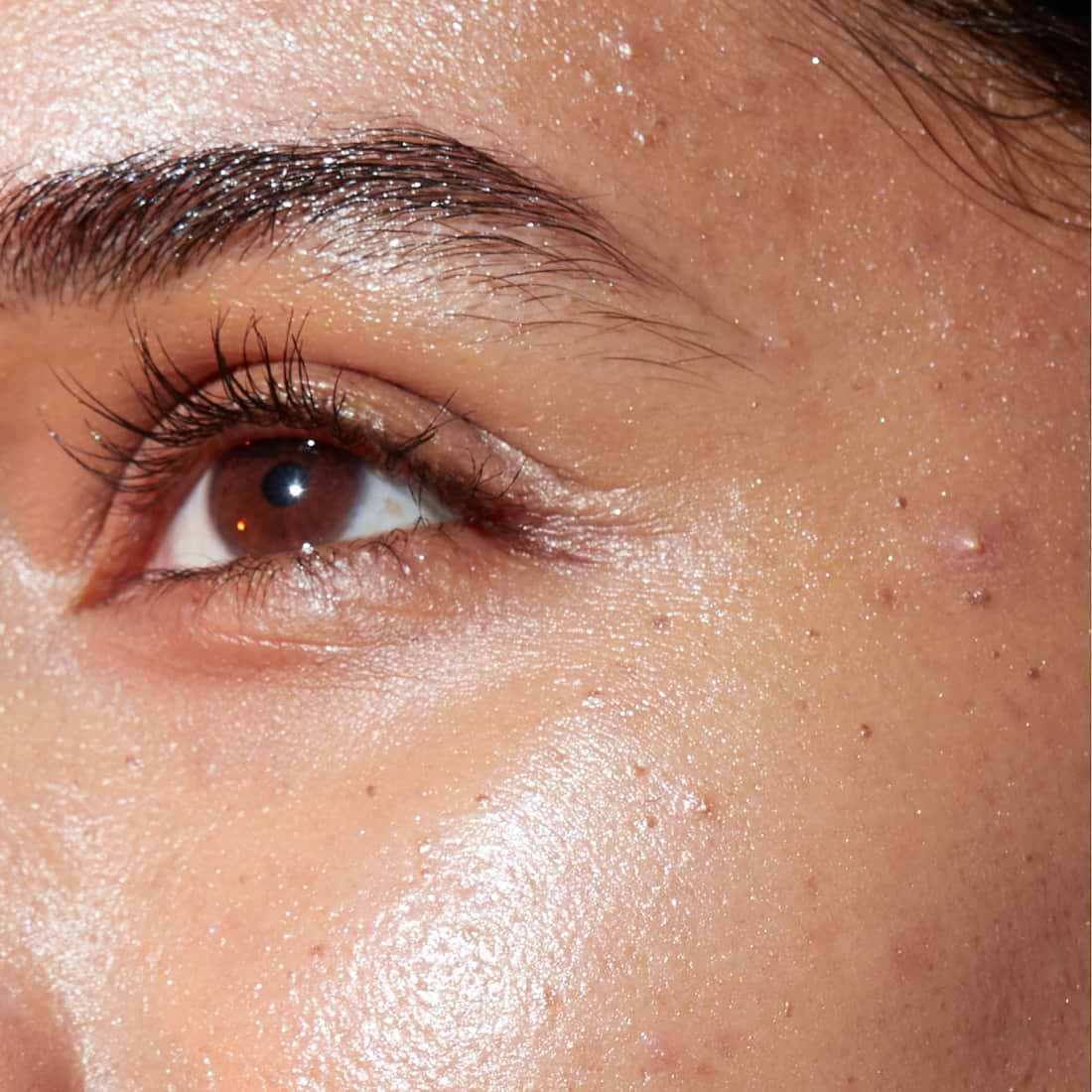
Simply put, if you have blemish-prone skin, you are more likely to develop breakouts such as spots, blackheads, or whiteheads. This usually happens when pores become clogged with excess oil, dead skin cells, or bacteria that can trigger inflammation. These can appear raised, red, and sometimes sore to touch.
While commonly linked to oily skin, it can also occur in dry and combination skin. Other factors such as age, hormones, stress, diet, skincare, and pollution can contribute to blemishes forming too. If you notice that you frequently break out, have enlarged pores, or develop skin irregularities, you may have blemish-prone skin.
Types of Skin Blemishes
There are two major types of blemishes: inflammatory and non-inflammatory.
Non-Inflammatory Blemishes
• Usually called comedones
• They can either be open (blackheads) or closed (whiteheads)
• Black heads contain sebum which is oxidised to a darker colour, and white heads are sealed which look paler on the skin
• Both occur when sebum and dead skin cells combine to clog a pore
• Usually painless and sit flat or slightly raised on the skin without causing any inflammation
Inflammatory Blemishes
• The most common types are papules and pustules
• Papules are small red bumps which may feel tender or sore
• Pustules, although very similar to papules, have a white tip due to a build-up of pus within them
• The most severe form of inflamed blemishes are nodules and cysts, which are often large, firm, pus-filled bumps that are especially painful and can lead to scarring if not treated correctly
It can be easy to confuse other skin conditions with blemishes, especially when they appear as spots, marks, or uneven patches on the skin to begin with.
What Causes Blemishes on the Face?
There is no single cause, and often a multitude of factors can cause blemish-prone skin. These can be:
Medik8’s Recommended Skincare Routine for Blemishes
A good skincare routine plays a crucial role in treating and calming blemishes by supporting the skin’s natural balance. Consistent cleansing helps remove excess oil, dirt, and impurities that can clog pores, while targeted ingredients work to keep breakouts under control and reduce inflammation. The correct skincare can also strengthen the skin barrier, preventing irritation that can worsen blemishes.


Our CSA Philosophy® works in harmony with blemish-prone skin types, helping maintain visibly healthy, clear skin. It is made up of three simple steps: vitamin C and sunscreen during the day, followed by vitamin A at night.
There are brilliant, hard-working skincare actives that are easy to incorporate into a daily routine to help blemish-prone skin, such as oil-balancing niacinamide and salicylic acid to help clear pores.


Here is our recommended blemish-prone skincare routine for both morning and night.
AM Routine

Step 1: Cleanse
Cleansing the skin of excess oil, dirt and bacteria is essential to prevent clogging pores.
Clarifying Foam contains gentle exfoliant L–Mandelic Acid, niacinamide to visibly calm blemish-induced irritation and salicylic acid to break down congestion.

Step 2: Tone
Toning can be a valuable additional step in a blemish-prone skincare routine to refine pores and strengthen the skin barrier.
Press & Clear Exfoliating 2% BHA Tonic has been clinically proven to reduce visible blemishes, pores and post-blemish dark spots by 35%.[1]

Step 3: Serum
Choosing a serum that will deliver targeted ingredients to treat blemishes, calm inflammation and support skin repair is essential. Niacinamide Peptides visibly reduces blemishes while balancing oil production to help prevent future breakouts.

Step 4: Protect
Shielding the delicate skin around the eyes from the damaging and ageing effects of UV rays is essential regardless of skin type.
Advanced Day Eye Protect™ is lightweight and deeply nourishing eye cream with SPF 30 5*UVA protection. It deeply nourishes, prevents and smooths the look of wrinkles around the eyes and targets dark circles and under-eye puffiness.

Step 5: Moisturise & Protect
Hydrating the skin will maintain a healthy skin barrier and prevent excess oil production. Daily Radiance Vitamin C combines powerful antioxidant protection to boost skin radiance alongside broad spectrum SPF 30 to prevent signs of premature ageing.
PM Routine

Step 1: Cleanse
Washing away the dirt and grime of the day, plus makeup, skincare and sunscreen, will help prevent clogged pores overnight.
Lipid Balance Cleansing Oil effortlessly lifts heavy makeup and daily impurities.
Step 2: Exfoliate
Rebalancing the skin after cleansing helps slough away any remaining dirt in pores, plus preps the skin perfectly for skincare.
Press & Clear is gentle enough to be used twice a day, every day.

Step 3: Vitamin A Serum
A vitamin A serum targets blemishes and promotes a smoother and more even skin surface. It also effectively reduces the appearance of fine lines, wrinkles, hyperpigmentation and loss of firmness.
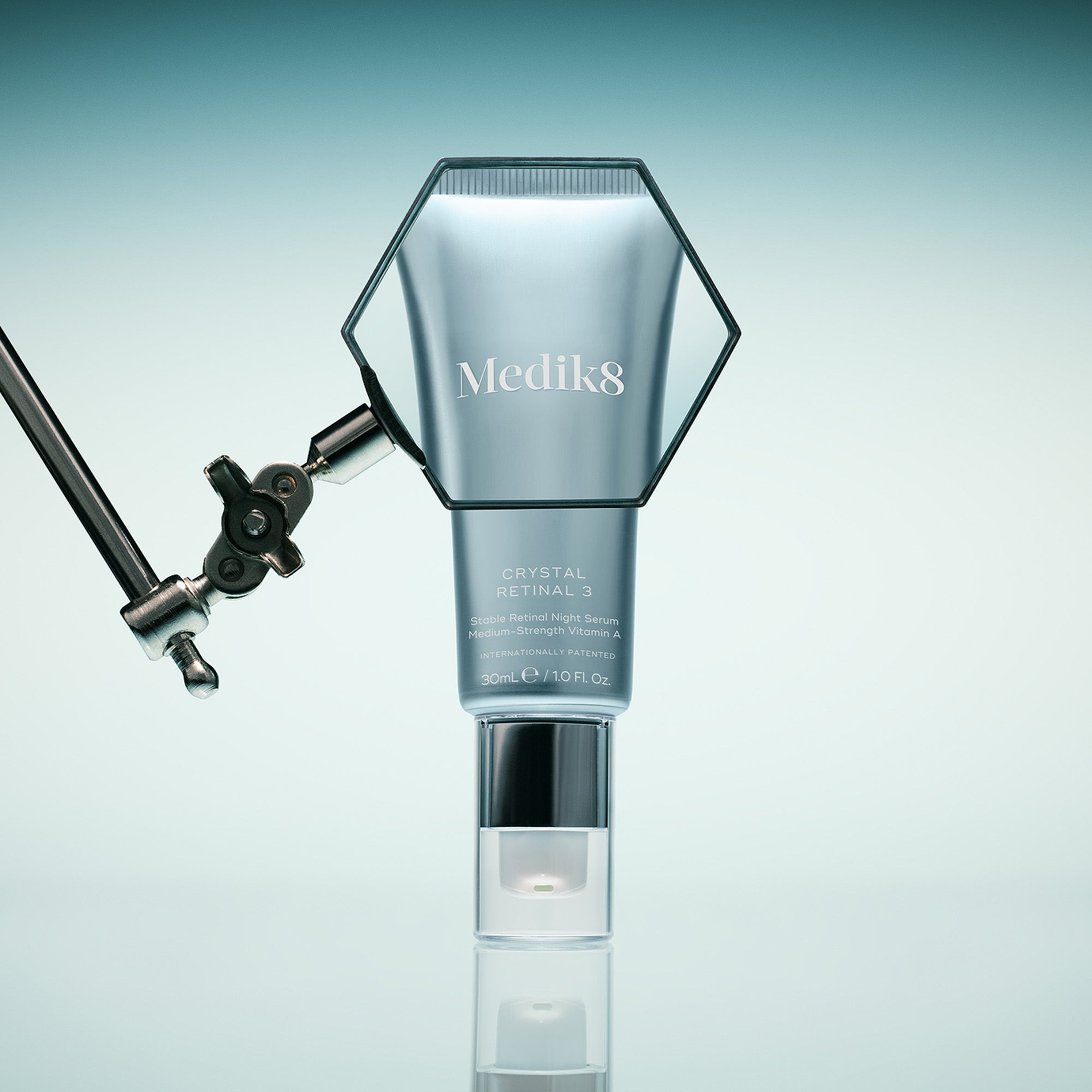
Crystal Retinal is a night serum containing retinal, a next-generation vitamin A which works 11x faster than standard retinol.[2] It is available in 6 progressive strengths.

Step 4: Vitamin A Eye Cream
The skin around the eyes is thinner and more delicate and shows signs of fatigue and fine lines first. A dedicated vitamin A eye cream helps smooth and renew this area without causing irritation.
Crystal Retinal Ceramide Eye is a night eye serum containing Medik8’s unique twin encapsulated retinal that releases slowly to ensure both effectiveness and gentleness, alongside nourishing ceramides and wrinkle-plumping hyaluronic acid.

Step 5: Target
A targeted blemish product will work quickly to visibly reduce existing blemishes while helping to minimise blemish-causing bacteria.
Blemish SOS is a fast-drying gel-cream that contains salicylic acid to decongest from within the pore, azelaic acid to target blemish-causing bacteria and dioic acid to control sebum production.

Step 6: Moisturise
Blemish-prone skin still needs moisture. Keeping it hydrated helps support the skin barrier and stops it creating excess oil, which can lead to more breakouts.
Total Moisture Daily Facial Cream has a light non-comedogenic texture that won’t clog pores, but also deeply moisturises and instantly plumps.
Tips for Managing Blemish-Prone Skin
As well as implementing an effective skincare routine, some simple hacks and habits will help blemish-prone skin.
Avoid touching your face, as hands can transfer oil and bacteria that may trigger breakouts.
Keep anything that comes into contact with your face clean, especially pillowcases and phones, as they can harbour bacteria and oils.
Resist picking or popping blemishes, as this can increase inflammation and lead to lingering dark marks; if you do choose to pop, only do so when a clear whitehead is present, using clean fingers and very gentle pressure. If it doesn’t release easily, stop.
Diet can exacerbate blemishes for some people, although this varies from person to person. If you notice a link between certain foods and breakouts, it may be helpful to consult a dietician. Certain dairy products and high-sugar foods are often linked to increased breakouts in blemish-prone skin.
Stop attacking your skin with harsh products. Using too many exfoliating acids or harsh products can weaken the skin barrier, making blemishes more likely rather than less. If you’re new to actives, introduce them slowly and avoid combining several exfoliants in one routine. Stick to gentle cleansers designed for blemish-prone skin, and don’t be afraid to moisturise.
Book a treatment. If you’re dealing with more persistent blemishes you may benefit from a course of professional peel treatments as well as consultation with a skin specialist to enhance your journey to clear skin.
See our Medik8 Professional Treatments overview for more information and to find your local clinic.
Dealing with Post-Blemish Skin and Post-Inflammatory Hyperpigmentation
Post-blemish marks often appear as lingering redness or dark spots after a breakout has healed, known as post-inflammatory erythema (PIE) or post-inflammatory hyperpigmentation (PIH).
PIH presents as dark marks caused by excess melanin and is more common in deeper skin tones, while PIE appears as red marks from damaged capillaries and is more common in lighter skin.

The more inflammation the skin experiences, the longer these marks can last, sometimes taking months or years to fade and worsening with sun exposure or further irritation.
Reducing inflammation by treating blemishes gently, avoiding squeezing, wearing sunscreen, and using targeted skincare like retinoids can help prevent and fade PIH and PIE, while true acne scarring is permanent and requires professional treatment.
Clearer Skin Starts with the Right Routine
We know that blemishes can feel all-encompassing and like they’re never going to go away. But with the ability to recognise what kind of blemishes you have, you can then look for the right formulas, and with the consistency of an effective day and night routine, your skin can genuinely change over time. Without the need for harsh or aggressive shortcuts.

Rather than chasing trends, the most meaningful results come from a regime tailored to your skin’s unique needs. Our CSA routine is designed to be flexible and can be adjusted to suit your skin's needs and breakout triggers. By keeping skin calm, strengthening resilience, and supporting a healthy skin barrier, it helps promote a clearer, more balanced complexion in the long term.
SHOP BLEMISH SOLUTIONSFrequently Asked Questions
Does stress cause blemishes?
Yes, it can do, but not in the same way for everyone. Some people are more sensitive to stress than others and notice breakouts appear when they’re under pressure. When you’re stressed your cortisol level increases and that can instigate an excess of sebum production as well as triggering inflammation. For those who are prone to stress-related flare-ups, this combination can make blemishes more likely to show up.
Is a pimple a blemish?
Yes, it is. Blemish is generally used as the broad term for any mark or imperfection on the skin, whereas pimple specifically refers to an inflamed, active breakout or blackheads and whiteheads.
At what age do blemishes start appearing?
Most commonly during puberty when hormones start to change and the skin produces more oil. However, some people may not get any blemishes in their teens and experience them for the first time in their 20s, 30s or even later due to factors such as stress, hormone fluctuations, skincare habits, medication or lifestyle changes. Blemishes are not limited to the teenage years alone.
Should I pop a blemish?
Ideally, no. Popping a blemish can lead to compromising the skin barrier, increasing inflammation and the risk of infection, and even scarring the skin. If the temptation to pop is too great, then only do it when there is a clear whitehead, use clean fingers and very gentle pressure. If it doesn’t release easily, stop.
What is considered a skin blemish?
A blemish can be any kind of spot, discolouration, or mark on the skin, but in most circumstances, ‘blemish’ is the word most people use to describe a spot.
How can I quickly get rid of a blemish?
There are no quick fixes, but a targeted blemish treatment will help speed up the life cycle of a blemish. It is always best to treat your skin gently and over time rather than using seemingly speedy, but aggressive, treatments that will compromise the skin barrier.
When to worry about a skin blemish?
If a blemish isn’t healing after a few weeks, or if it changes appearance, begins to bleed or scab over, or it looks unlike any other blemish you’ve had before, always seek out medical advice.
Can blemishes be treated?
Skincare can’t treat blemishes, but it can help target them. Ingredients such as salicylic acid and niacinamide help unclog pores, balance excess oil and visibly reduce the appearance of blemishes, while products designed for blemish-prone skin help keep it clear and comfortable. Be patient and consistent, as skin needs time to respond. If breakouts are persistent, painful or affecting your confidence, speak to your GP, who can advise on treatment options. And remember, blemishes are completely normal and don’t define you or your skin’s health. Caring for your skin is about progress, not perfection.
Can sleep help reduce blemishes?
Sleep is when the skin repairs and rejuvenates itself, producing more collagen and balancing moisture levels. Sleep can also lower cortisol (stress) levels, which also contribute towards creating blemishes. Prioritising getting more sleep will help reduce inflammation and contribute towards healthier skin.
What skin type is most prone to acne?
Generally, oily skin is the most prone to blemishes and breakouts because the skin creates an excess of sebum that clogs pores, causing blackheads and whiteheads. But it’s not limited to oily skin alone. Dry and combination skin types can also experience breakouts, particularly if the skin barrier is compromised or irritation and inflammation occur. Factors such as hormones, stress, skincare habits, and environmental triggers can also influence how acne develops across different skin types.
How often should I exfoliate to avoid blemishes?
How frequently you exfoliate depends on your skin type and your chosen method of exfoliator, so always start slowly and gauge how your skin reacts. If at any stage your exfoliator is causing your skin to become red, irritated or inflamed, stop using it.
[1] Proven via independent clinical study conducted over 8 weeks on 29 participants with sensitive, blemish-prone skins.
[2] G. Siegenthaler et al., Retinol and retinal metabolism, Biochemical Journal, 1990, 268, pp 371-378

Sarah-Jane Corfield-Smith
Sarah-Jane Corfield-Smith is a beauty journalist with over 20 years' experience writing about skincare, from ingredient science and formulation through to clinical innovation and emerging trends. Her work has featured in The Times, The Telegraph, Tatler, Good Housekeeping and Woman & Home. Sarah-Jane makes the science behind skincare accessible, so that choosing the right product feels informed rather than overwhelming.

Reviewed by the R&D Team
The Medik8 R&D Team is an in-house collective of scientists specialising in skin biology, chemistry, formulation, cosmetic science, and pharmaceutics. Responsible for driving the active ingredient innovation behind every breakthrough formula in the Medik8 portfolio, the team acts as the brand’s scientific guardian. They ensure all clinical insights, technical content, and educational guides are rigorously fact-checked, robustly grounded in real skin science and translated clearly so you can navigate targeted skincare with complete confidence.